


If you have an oral surgery appointment coming up, one of the first questions you may have is simple: how long will it take? The answer depends on the type of procedure, the complexity of your case, your anesthesia plan, and whether one or multiple areas are being treated.
Most oral surgery procedures can take anywhere from 30 minutes to a few hours. A simple tooth extraction may be completed relatively quickly, while wisdom teeth removal, dental implant placement, bone grafting, oral biopsy, or more complex maxillofacial surgery may require more time.
At Dr. Jenna D. Godwin Oral and Maxillofacial Surgery in Seminole, FL, our goal is to help patients feel informed, comfortable, and prepared before treatment begins. Dr. Godwin and her team take time to explain your procedure, review your health history, discuss anesthesia options when appropriate, and provide clear pre-operative and post-operative instructions.
This Article Will Address
- How long oral surgery usually takes
- What factors can affect the length of your procedure
- What to expect before, during, and after oral surgery
- How to prepare for an oral surgery appointment
- How sedation, procedure type, and recovery monitoring may affect your visit
- Why patients in Seminole, FL choose Dr. Jenna D. Godwin for oral and maxillofacial surgery
How Long Does Oral Surgery Usually Take?
Oral surgery time varies from patient to patient. In many cases, the procedure itself may take less time than the full appointment. Your visit may include check-in, medical history review, imaging or treatment planning, anesthesia preparation, the surgical procedure, recovery monitoring, and a review of your at-home care instructions.
A single tooth extraction may take less time than a more complex procedure. Surgeries may take longer if multiple teeth are being removed, if teeth are impacted, or if sedation is part of the treatment plan. Dental implants often require additional planning and precise placement, while bone grafting, oral biopsy, and more complex maxillofacial surgery may vary based on the details of the case.
During your consultation, Dr. Godwin will review the recommended procedure and provide a more personalized estimate for your appointment. This helps you plan your day with greater confidence and reduces uncertainty before treatment.
What Factors Affect How Long Oral Surgery Takes?
Oral surgery is not one-size-fits-all. The length of your procedure depends on the type of surgery, the condition of the teeth or tissue involved, and your individual health needs.
Type of Oral Surgery Procedure
Different oral surgery services require different levels of planning and surgical time. Common procedures may include:
- Tooth extractions
- Wisdom teeth removal
- Dental implants
- Bone grafting
- Oral biopsy
- Maxillofacial surgery
A routine extraction may be shorter than a procedure that involves impacted teeth, bone grafting, or implant placement. More advanced treatment often requires additional precision, preparation, and monitoring.
Number of Teeth or Treatment Areas
Treating one tooth is usually different from treating multiple teeth or several surgical sites. For example, removing one tooth may be a shorter procedure than removing all four wisdom teeth. Similarly, placing one dental implant may take less time than placing multiple implants or combining implant surgery with bone grafting or sinus lifts..
Complexity of the Case
Some cases require more time due to tooth position, bone structure, infection, inflammation, or limited access to the surgical area. Impacted wisdom teeth, broken teeth, bone loss, and previous dental concerns can all affect the treatment timeline.
Dr. Godwin uses careful planning and advanced surgical techniques to help each procedure move as smoothly and safely as possible.
Sedation or Anesthesia Needs
Anesthesia and sedation can also affect how long you are in the office. Some procedures may only require local anesthesia to numb the area. Others may involve IV sedation or another anesthesia option to help patients feel more relaxed during care.
If sedation is used, your appointment may include additional preparation and recovery monitoring before you go home. This extra time is important for your safety and comfort.
Patient Health and Pre-Operative Planning
Your medical history, medications, allergies, and previous reactions to anesthesia may influence how your care is planned. Dr. Godwin’s team will ask about your health history so your treatment can be tailored to your needs.
Pre-operative instructions are also important. Following these instructions helps your appointment stay on track and supports a safer surgical experience.
How Long Do Common Oral Surgery Procedures Take?
Exact procedure times can only be estimated after an evaluation. However, understanding how common oral surgery procedures differ can help you know what to expect.
Tooth Extractions
A simple extraction is often one of the shorter oral surgery procedures. However, a surgical extraction may take longer if the tooth is broken, impacted, infected, or difficult to access.
Patients should also remember that the full appointment may include time for numbing, preparation, and post-operative instructions.
Wisdom Teeth Extraction
Wisdom teeth removal can vary widely. Removing one wisdom tooth may take less time than removing all four. Impacted wisdom teeth, tooth position, root development, and sedation can all influence the length of the procedure.
At Dr. Jenna D. Godwin Oral and Maxillofacial Surgery, wisdom teeth extraction is planned with patient comfort, safety, and long-term oral health in mind.
Dental Implants
Dental implant placement requires careful planning and precise surgical placement. The appointment may take longer than a basic extraction because the implant must be positioned properly to support a future restoration.
In some cases, dental implant treatment may also involve bone grafting or additional preparation before implant placement.
Bone Grafting
Bone grafting time depends on the amount of grafting needed and whether the graft is being performed by itself or with another procedure. Bone grafting may be recommended to help rebuild or support the jawbone before dental implant treatment.
Oral Biopsy
An oral biopsy is often a focused procedure, but the visit may still include evaluation, local anesthesia, tissue sampling, and detailed post-operative instructions. If you have a concerning area in the mouth, Dr. Godwin can evaluate the site and explain the next steps clearly.
What Should I Expect During Oral Surgery?
Knowing what happens during oral surgery can make the experience feel more manageable. While each procedure is different, most appointments follow a careful and organized process.
Check-In and Review of Your Treatment Plan
When you arrive, the team will help you get settled and review important details about your appointment. This may include your health history, medications, consent forms, procedure details, and final questions.
Patient Care Coordinators Stephanie and McKensi help support a smooth scheduling and check-in experience. Surgical Assistants Terry and Jessica will assist with clinical preparation and support during your visit.
Anesthesia or Numbing Before the Procedure
Before surgery begins, the treatment area is numbed. Depending on your procedure and treatment plan, sedation or anesthesia may also be used to help you feel calm and comfortable.
If IV sedation is part of your plan, the team will review safety measures, monitor you closely, and ensure you are cared for throughout the appointment.
The Surgical Procedure
Once you are comfortable, Dr. Godwin will perform the procedure using careful surgical techniques and modern technology. Her background as a board-certified oral and maxillofacial surgeon, along with her military surgical training, supports a precise and patient-centered approach to care.
The team’s focus is to keep you informed, supported, and comfortable while providing the treatment needed to protect your oral health.
Recovery Monitoring Before You Go Home
After the procedure, you may spend time being monitored before leaving the office, especially if sedation was used. Before you go home, the team will review your post-operative instructions so you understand how to care for the surgical area, what to eat, what activities to avoid, and when to contact the office.
How Should I Prepare for an Oral Surgery Appointment?
Preparation helps your oral surgery appointment go more smoothly. Before your visit, Dr. Godwin’s office will provide instructions based on your procedure and anesthesia plan.
Follow Your Pre-Op Instructions
Your pre-operative instructions may include guidance about eating, drinking, medications, transportation, and what to wear to the appointment. These instructions are specific to your treatment plan, so it is important to follow them closely.
If anything is unclear, call the office before your appointment so the team can help.
Share Your Medical History and Medications
Tell the team about your medical conditions, allergies, prescriptions, over-the-counter medications, supplements, and any previous reactions to anesthesia. This information helps Dr. Godwin plan your procedure with your safety in mind.
Arrange Transportation If Needed
If your treatment includes IV sedation or another form of sedation, you will need a responsible adult to drive you home. You should not plan to drive yourself after sedation.
The office will let you know what transportation arrangements are required before your appointment.
Plan Time for Rest After Surgery
Recovery needs depend on the procedure. Some patients return to light routines fairly soon after a minor procedure, while others need more time to rest after wisdom teeth extraction, dental implant placement, bone grafting, or more complex surgery.
It is wise to avoid strenuous activity immediately after oral surgery and follow the recovery instructions provided by the office.
Prepare Questions Before Your Visit
Before your appointment, write down any questions you want to ask. Helpful questions may include:
- How long should I expect to be in the office?
- Will I be awake during the procedure?
- Do I need someone to drive me home?
- What can I eat afterward?
- How long should I rest?
- What symptoms are normal after surgery?
- When should I call the office?
Asking questions ahead of time can help you feel more confident and prepared.
Will I Be Awake During Oral Surgery?
Whether you are awake during oral surgery depends on your procedure, comfort level, health history, and anesthesia plan. Some procedures may be performed with local anesthesia, which numbs the treatment area while you remain awake. Other procedures may involve IV sedation to help you feel deeply relaxed.
Dr. Godwin’s team will review your anesthesia options before treatment so you know what to expect. The goal is to create a safe, calm, and comfortable experience from start to finish.
Can I Drive Myself Home After Oral Surgery?
Whether you can drive yourself home depends on the type of anesthesia or sedation used. If your procedure only involves local anesthesia, you may be able to drive yourself, depending on your specific treatment and how you feel afterward.
If your treatment includes IV sedation, you will need a responsible adult to drive you home. Sedation can affect your reflexes, alertness, and coordination, so driving afterward is not safe.
Dr. Godwin’s office will explain transportation requirements before your appointment so you can make the right arrangements.
How Much Time Should I Take Off Work After Oral Surgery?
The amount of time you should take off work depends on the procedure and your recovery needs. Some patients may return to light work or normal routines fairly soon after a minor procedure. Others may need additional downtime after wisdom teeth extraction, dental implant placement, bone grafting, or more involved oral surgery.
If your job involves physical labor, heavy lifting, or long periods of activity, you may need more time to rest. Dr. Godwin’s team can help you understand what is realistic based on your procedure and healing plan.
What Can I Eat After Oral Surgery?
Many patients are advised to start with soft foods after oral surgery. Depending on your procedure, you may need to avoid hard, crunchy, spicy, sticky, or difficult-to-chew foods while the surgical area heals.
Common soft food options may include yogurt, applesauce, mashed potatoes, smoothies without a straw, scrambled eggs, soft pasta, and warm rather than hot soup.
Your specific food instructions may vary, so follow the post-operative guidance provided by Dr. Godwin’s office.
What Symptoms Are Normal After Oral Surgery?
Some discomfort after oral surgery can be normal. Depending on your procedure, you may experience:
- Swelling
- Tenderness
- Minor bleeding
- Bruising
- Soreness around the surgical area
- Temporary stiffness when opening your mouth
These symptoms can vary based on the extent of surgery and your body’s healing response. Following your post-operative instructions can help support a smoother recovery.
When Should I Call the Oral Surgeon After Treatment?
Call the office if you have symptoms that feel unusual, severe, or are getting worse instead of better. It is better to ask questions early than to ignore a concern.
You should contact Dr. Godwin’s office if you experience:
- Severe or worsening pain
- Heavy bleeding that does not improve with instructions
- Fever
- Difficulty breathing or swallowing
- Signs of infection
- A reaction to medication
- Concerns about how the surgical site is healing
Dr. Godwin’s team is committed to helping patients feel supported before, during, and after treatment.
Why Choose Dr. Jenna D. Godwin Oral and Maxillofacial Surgery in Seminole, FL?
Choosing an oral surgeon is an important decision. Patients deserve a provider who combines surgical skill with clear communication and genuine compassion.
Dr. Jenna D. Godwin Oral and Maxillofacial Surgery provides specialized oral surgery services in Seminole, FL, with a focus on precision, safety, and patient comfort.
Board-Certified Oral and Maxillofacial Surgery Expertise
Dr. Godwin is a Diplomate of the American Board of Oral and Maxillofacial Surgery. Her advanced training enables her to perform a wide range of oral and maxillofacial procedures, from routine extractions to more complex surgical procedures.
Military Training and Surgical Precision
After earning her Doctor of Medical Dentistry from the University of Florida, Dr. Godwin served in the U.S. Army, where she refined her expertise in oral and maxillofacial surgery. Her experience training resident surgeons reflects her commitment to precision, education, and high standards of care.
Calm, Patient-Centered Surgical Care
The office environment is designed to help patients feel at ease. Natural light, calming colors, and a peaceful atmosphere support a more relaxed experience from the moment patients arrive.
The team understands that oral surgery can feel stressful. That is why every patient is treated with respect, patience, and clear communication.
Advanced Technology and Clear Communication
Dr. Godwin’s practice combines modern surgical technology with a compassionate approach. Patients receive personalized treatment planning, clear pre-operative instructions, and detailed post-operative guidance.
This level of communication helps patients know what to expect and how to care for themselves after treatment.
Trusted by Patients in Seminole, FL
Patients often describe Dr. Godwin and her team as kind, knowledgeable, helpful, and precise. Many appreciate the team’s ability to explain what is happening, keep patients comfortable, and support them through each step of treatment.
For patients who want expert oral surgery care in a calm setting, Dr. Godwin’s practice offers a strong combination of training, technology, and compassion.
Schedule an Oral Surgery Consultation in Seminole, FL
If you are wondering how long oral surgery takes or what to expect during your procedure, Dr. Jenna D. Godwin Oral and Maxillofacial Surgery in Seminole, FL can help you feel informed before treatment begins.
Dr. Godwin and her team provide compassionate, precise oral surgery care in a calm environment designed with patient comfort in mind. To schedule an appointment, call Dr. Jenna D. Godwin Oral and Maxillofacial Surgery at (727) 397-8500. The office is located at 8277 113th Street, Seminole, FL 33772.
Sources
Dr. Godwin
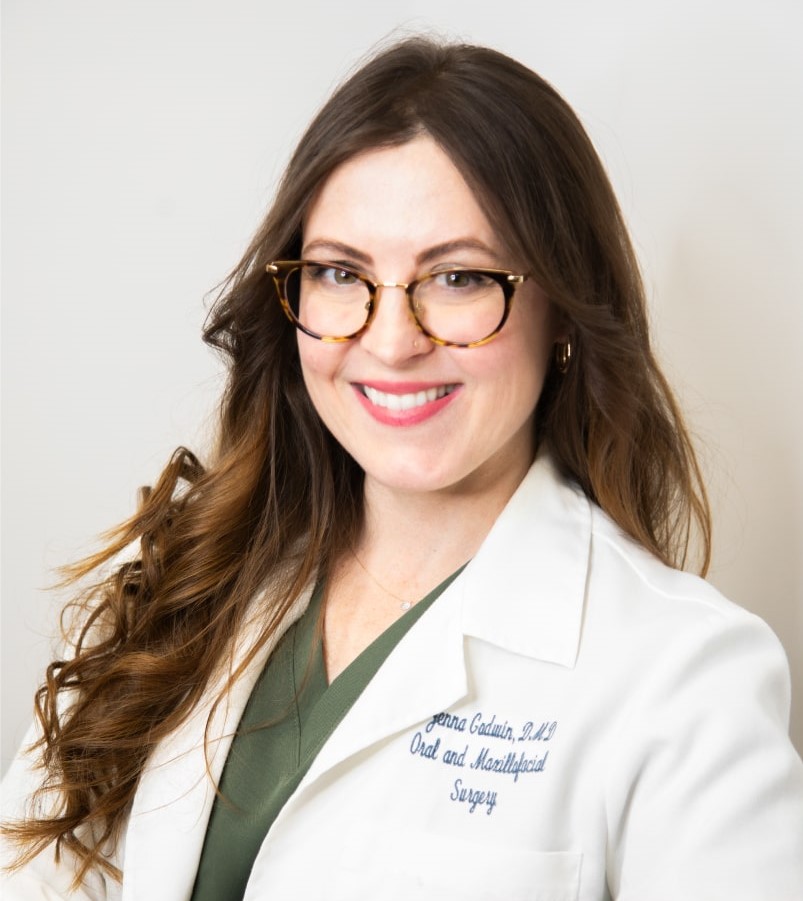
Dr. Jenna D. Godwin is a board-certified oral and maxillofacial surgeon serving patients in Seminole, Florida. She earned her Doctor of Medical Dentistry degree from the University of Florida and went on to serve in the U.S. Army, where she developed advanced surgical expertise and later trained resident surgeons. Her background combines the precision of military training with a compassionate, patient-centered approach, allowing her to provide personalized care tailored to each patient’s needs. Dr. Godwin is a Diplomate of the American Board of Oral and Maxillofacial Surgery and the National Dental Board of Anesthesiology, and she is an active member of several professional dental and surgical organizations. Outside of the office, she enjoys exercise, travel, and spending time with her son, Elliott. Dr. Godwin is committed to creating a calm, supportive environment where every patient feels valued, informed, and confident in their care.