


Usually, the hardest part of recovery after oral surgery is over within the first three to five days, with most surgical sites fully closed and comfortable within one to two weeks. If you have a procedure coming up with Dr. Jenna D. Godwin Oral and Maxillofacial Surgery in Seminole, FL, knowing what to expect day by day can make the whole experience feel far less intimidating, especially if this is your first time having a surgical dental procedure.
Every mouth heals a little differently, and your exact timeline depends on the type of procedure, your overall health, and how closely you follow your surgeon’s instructions. Age, smoking habits, and how well you stick to your post-op care plan can all speed up or slow down the process. Even so, most patients move through a fairly predictable pattern, and a short list of dos and don’ts makes a real difference in how comfortable those first few days feel.
This Article Will Address
- How long healing typically takes after oral surgery
- Simple habits that support a smooth, comfortable recovery
- When you can expect to return to work or school
- Whether you’ll need someone to drive you home afterward
How Long Does Recovery Take After Oral Surgery?
Most patients notice real improvement within three to five days, with soft tissue at the surgical site fully closed and comfortable within one to two weeks. The first 24 to 72 hours are usually the toughest, since any swelling and bruising tends to peak during this window before gradually fading and becoming more manageable.
By day three or four, most of the initial puffiness has started to recede, and pain, if present, typically shifts from sharp to mild and manageable. Around the one-week mark, many patients are back to their normal routine, aside from continuing to be gentle with the surgical area while chewing.
Simple procedures like a single tooth extraction often heal a bit faster than surgeries involving multiple teeth or impacted wisdom teeth, which can take slightly longer to feel fully settled. For procedures like dental implants or bone grafting, the surface tissue heals on this same one-to-two-week schedule, but the deeper bone healing underneath can take several months. That deeper healing happens quietly in the background and generally doesn’t affect day-to-day comfort once the initial recovery period has passed. Your surgical team will let you know which category your procedure falls into and what milestones to watch for along the way, so you always know whether your recovery is on track.
What Are the Dos and Don’ts After Oral Surgery?
The single most important thing you can do after oral surgery is protect the blood clot that forms at the surgical site, since that clot is what allows everything underneath it to heal properly. Beyond that, a short list of habits covers nearly everything patients need to know.
Here’s what helps:
- Rest for the first 24 hours and keep your head elevated, even while sleeping
- Apply an ice pack to the outside of the cheek in short intervals during the first day to keep swelling in check
- Stick to soft, cool foods like yogurt, mashed potatoes, and smoothies, always without a straw
- Rinse gently with warm salt water starting the day after your procedure
- Take any prescribed medication exactly as directed, even if you’re feeling fine
And here’s what to avoid:
- Using a straw, smoking, or vaping for at least several days
- Spitting forcefully or rinsing vigorously during the first 24 hours
- Eating hard, crunchy, or spicy foods until the surgical site has closed
- Skipping your follow-up appointment, even if healing feels complete
- Jumping back into strenuous exercise before your surgeon gives the go-ahead
Following this list closely lowers your risk of complications like dry socket and generally shortens the time it takes to feel like yourself again. If anything feels off along the way, whether that’s bleeding that won’t slow down, a fever, or pain that gets worse instead of better, it’s always worth a quick call to your surgical team rather than waiting things out on your own.
How Many Days Off Work Do You Need After Oral Surgery?
Most people take one to three days off work after oral surgery, though physically demanding jobs may call for closer to a week. If your job involves sitting at a desk, you may feel ready to return after just a day or two, especially once any grogginess from sedation has worn off and you’re comfortable managing mild discomfort.
Jobs that involve heavy lifting, strenuous movement, or a lot of talking may need a longer break, since increased blood flow and physical exertion can slow healing or increase swelling. It’s also worth planning around any prescribed pain medication, since some medications can cause drowsiness that makes driving or operating machinery unsafe.
A little planning ahead goes a long way here. Letting your employer know in advance, lining up someone to cover any physically demanding tasks, and building in a buffer day if your schedule allows can all take pressure off your recovery. When in doubt, it’s always worth asking your surgical team for guidance specific to your job and your procedure, since they can tailor their advice to exactly what you had done.
Can You Drive Yourself Home After Oral Surgery?
If you receive any form of sedation or general anesthesia, including oral sedation, you will need someone else to drive you home and ideally to stay with you for the rest of the day. Sedation can affect your coordination and judgment for several hours after your procedure, even once you feel alert again, so arranging a ride ahead of time is an essential part of preparing for surgery.
If your procedure only involves local anesthesia, you may be cleared to drive yourself, though many patients still prefer to have someone along for support, especially after a more involved procedure. Once you’re fully alert and no longer taking narcotic pain medication, usually within 24 hours, you can typically resume driving as normal.
Planning your ride home in advance, alongside your other post-op preparations like stocking up on soft foods and picking up any prescriptions, goes a long way toward making your entire recovery smoother. If you have young children or other responsibilities at home, it’s also worth arranging a bit of extra help for that first day so you can rest without feeling rushed.
Schedule Your Oral Surgery Consultation in Seminole, FL
Dr. Jenna D. Godwin Oral and Maxillofacial Surgery is open and is welcoming new patients throughout Seminole, FL and the surrounding community. Whether you’re preparing for wisdom teeth removal, a routine extraction, or any of the other oral surgery procedures the practice offers, Dr. Godwin and her team take the time to walk you through exactly what to expect before, during, and after your surgery so recovery feels manageable from day one. Patients consistently mention how much easier the process felt once they had clear guidance and a caring team in their corner. Call (727) 397-8500 today to schedule your consultation and take the first step toward a smooth, well-supported recovery.
Sources
Dr. Godwin
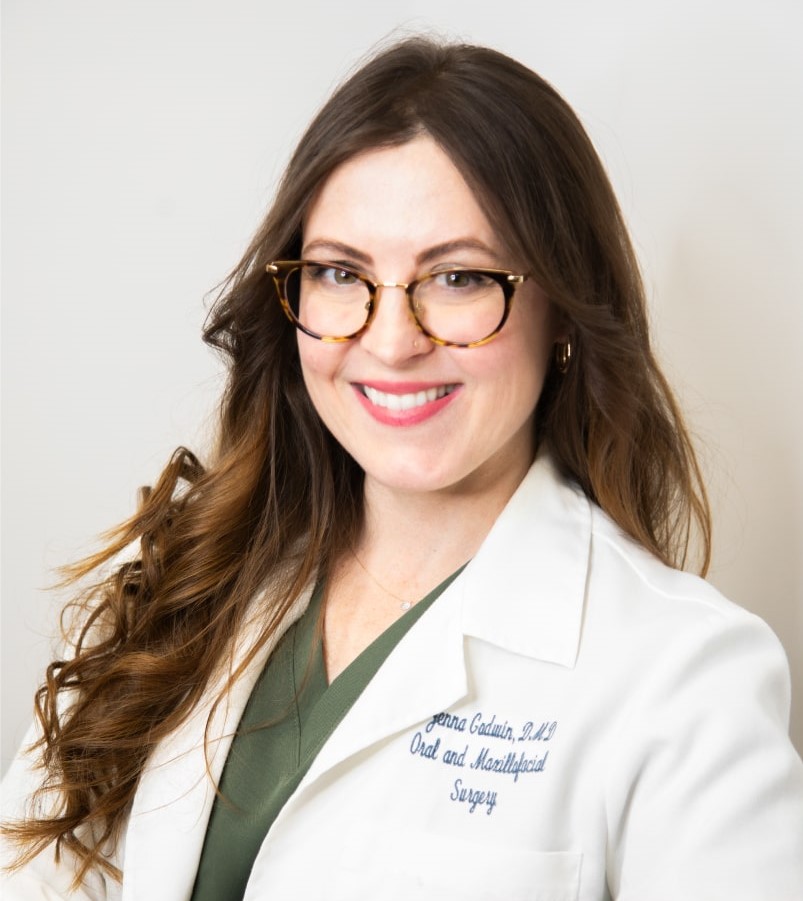
Dr. Jenna D. Godwin is a board-certified oral and maxillofacial surgeon serving patients in Seminole, Florida. She earned her Doctor of Medical Dentistry degree from the University of Florida and went on to serve in the U.S. Army, where she developed advanced surgical expertise and later trained resident surgeons. Her background combines the precision of military training with a compassionate, patient-centered approach, allowing her to provide personalized care tailored to each patient’s needs. Dr. Godwin is a Diplomate of the American Board of Oral and Maxillofacial Surgery and the National Dental Board of Anesthesiology, and she is an active member of several professional dental and surgical organizations. Outside of the office, she enjoys exercise, travel, and spending time with her son, Elliott. Dr. Godwin is committed to creating a calm, supportive environment where every patient feels valued, informed, and confident in their care.