

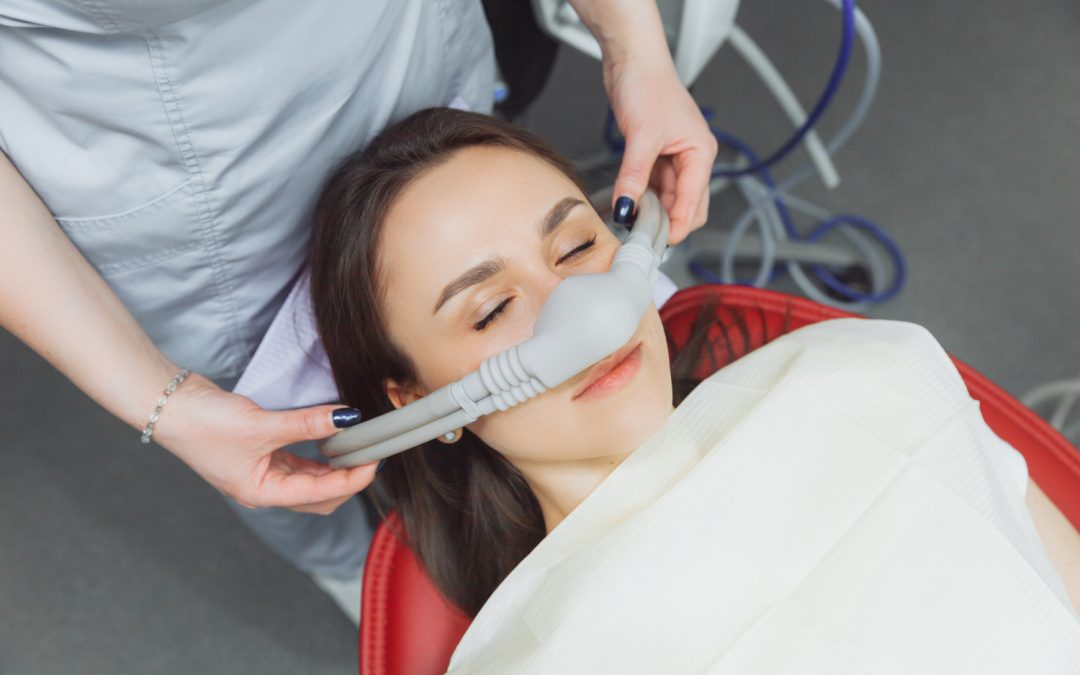
Oral surgery can feel overwhelming when you are anxious, worried about pain, or don’t know what to expect. At Dr. Jenna D. Godwin Oral and Maxillofacial Surgery, we understand that comfort is an important part of quality surgical care. Sedation and anesthesia for oral surgery can help patients feel calmer, safer, and more confident before, during, and after treatment.
Our Seminole, FL oral surgery practice provides patient-centered care in a calm, supportive environment. Dr. Jenna D. Godwin combines advanced surgical training, military experience, board certification, and a compassionate approach to help patients receive the care they need with greater peace of mind. Whether you need wisdom teeth removal, dental implants, bone grafting, an oral biopsy, or another oral surgery procedure, sedation and anesthesia options may help make your experience more comfortable.
This Article Will Address
- What sedation for oral surgery means
- Whether you are awake during oral surgery
- How oral surgeons sedate patients for oral surgery
- What level of sedation may be best for anxious patients
- The benefits of sedation in oral surgery
- What types of oral surgery may use sedation or anesthesia
- How safety is considered before and during sedation
- Why patients choose Dr. Jenna D. Godwin Oral and Maxillofacial Surgery in Seminole, FL
What Is Sedation For Oral Surgery?
Sedation involves the use of medication, administered either orally or through an IV catheter to help patients feel relaxed during oral surgery procedures. Oral surgery anesthesia may also include numbing medication, oral sedation, IV sedation, or general anesthesia, depending on the patient’s needs and the procedure being performed.
The goal is to support a more comfortable surgical experience. Local anesthesia helps numb the treatment area, while sedation can reduce anxiety, decrease awareness of the procedure, and help patients feel more at ease. For many patients, this combination makes oral surgery feel much more manageable.
At Dr. Jenna D. Godwin Oral and Maxillofacial Surgery, sedation and anesthesia recommendations are based on your health history, comfort level, procedure type, and safety needs. There is no single option that is right for every patient. During your consultation, our team will review your situation and explain which approach may be appropriate for your care.
Are You Awake During Oral Surgery?
Whether you are awake during oral surgery depends on the type of anesthesia used. Some patients stay awake but are relaxed, while others may feel deeply drowsy or remember very little about the procedure. In certain cases, general anesthesia may be used so the patient is not awake during treatment.
Common experiences may include:
- Local anesthesia: You are awake, but the surgical area is numbed to help prevent pain.
- Oral sedation: You may feel drowsy, calm, and less aware of the procedure.
- IV sedation: You are typically very relaxed and may remember little or nothing about treatment.
- General anesthesia: You are not awake during the procedure and require assistance with a breathing tube while you are asleep.
Many patients ask whether they will feel pain during oral surgery. Sedation is used in combination with local anesthesia, which helps numb the treatment area. This means sedation supports relaxation, while local anesthesia helps control pain at the surgical site.
How Do They Sedate You For Oral Surgery?
Oral surgery sedation can be achieved in several ways. The right method depends on your procedure, anxiety level, health history, and how deeply relaxed you need to be. Dr. Godwin will discuss your options before treatment so you understand what to expect.
Local Anesthesia For Oral Surgery
Local anesthesia is used to numb the area being treated. It may be used by itself for simpler procedures or combined with sedation for added comfort. With local anesthesia, you remain awake, but the surgical site is numbed.
Oral Sedation Before Oral Surgery
Oral sedation involves medication taken before the procedure to help you relax. You may feel drowsy and calm, but the level of relaxation can vary. Patients who receive oral sedation need someone to drive them home after the appointment.
IV Sedation For Oral Surgery
IV sedation is delivered through a vein and allows medication to take effect quickly. This option is often used for patients with stronger anxiety, longer procedures, or more involved oral surgery. During IV sedation, the surgical team monitors you closely throughout your visit.
General Anesthesia For Complex Oral Surgery
General anesthesia may be recommended for certain complex procedures or specific patient needs. With general anesthesia, you are not awake during treatment. Dr. Godwin will determine whether this option is appropriate based on your procedure, health history, and safety considerations.
What Level Of Sedation Is Best For Anxious Patients?
The best level of sedation for anxious patients depends on the severity of the anxiety, the type of oral surgery, the patient’s medical history, and the level of support needed to complete treatment safely.
Some patients only need local anesthetic or mild relaxation, while others need a deeper level of sedation to feel comfortable. During your consultation, our team will ask about your concerns, previous dental or surgical experiences, medications, and health history. This helps us recommend an option that fits your needs.
In general:
- Many simple procedures may be achieved with local anesthesia alone.
- Moderate anxiety may benefit from oral sedation.
- Severe anxiety may require deeper sedation, especially for longer or more complex procedures.
- Patients with strong gag reflexes or trouble sitting still may also benefit from sedation.
- Patients undergoing complex oral surgery may need a deeper level of anesthesia for comfort and safety.
At our Seminole, FL office, we work to create a calm experience from the start. Our calming environment, professional communication, friendly team and thorough preparation process are designed to help patients feel informed and supported before treatment begins.
What Are The Benefits Of Sedation In Oral Surgery?
Sedation can make oral surgery less stressful for patients who feel nervous, sensitive, or uncertain about treatment. It can also help the surgical team complete care in a controlled and efficient way.
Benefits of sedation in oral surgery may include:
- Reduced anxiety: Sedation can help patients feel calmer before and during oral surgery.
- Improved comfort: Sedation works with local anesthesia to support a more comfortable experience.
- Less awareness of the procedure: Some sedation levels may reduce memory of the appointment.
- Support for longer procedures: Sedation may help patients tolerate more involved care.
- Help for strong gag reflexes: Sedation can make treatment easier for patients who gag easily.
- Greater confidence about care: A calmer experience may help patients move forward with treatment they have delayed.
- Ability to complete certain procedures more efficiently: In some cases, sedation can help make longer or more complex visits more manageable.
For patients who need wisdom teeth removal, dental implants, bone grafting, or surgical extractions, sedation may provide the reassurance needed to complete care comfortably.
What Types Of Oral Surgery Can Be Performed With Sedation Or Anesthesia?
Sedation and anesthesia may be used for a wide range of oral and maxillofacial surgery procedures. The need for sedation depends on the complexity of the procedure, the patient’s comfort level, and the recommendation of the oral surgeon.
At Dr. Jenna D. Godwin Oral and Maxillofacial Surgery, sedation or anesthesia may be discussed for procedures such as:
- Wisdom teeth removal
- Dental extractions
- Dental implant placement
- Bone grafting
- Sinus lift procedures
- Impacted canine treatment
- Tori removal
- Oral biopsies
- Complex surgical extractions
- Other oral and maxillofacial surgery services
Patients often ask whether sedation can be used for wisdom teeth removal or dental implants. In many cases, sedation may be considered for these procedures, especially when the patient has anxiety, the treatment is more complex, or multiple procedures are being completed.
What Should I Expect Before Oral Surgery With Sedation?
Before oral surgery with sedation, you will have a consultation so the team can understand your needs and explain your options. This visit helps us plan your care and answer your questions before the day of surgery.
Before treatment, you may discuss:
- Your medical history
- Current medications and supplements
- Allergies
- Previous experiences with anesthesia or sedation
- Your level of dental or surgical anxiety
- The type of procedure being performed
- Pre-operative instructions
- Transportation needs after sedation
Depending on the type of sedation, you may receive instructions about eating, drinking, medications, and having a responsible adult accompany you. Our team will provide clear guidance based on your treatment plan.
What Happens During Oral Surgery With Sedation Or Anesthesia?
During oral surgery with sedation or anesthesia, our team helps you get settled and comfortable before treatment begins. The selected sedation or anesthesia method is administered, and local anesthesia may be used to numb the surgical area.
Throughout the procedure, your comfort and safety remain a priority. Depending on the sedation method, you may feel relaxed, drowsy, or have little memory of the appointment. After the procedure is complete, you will be monitored as you begin recovery and given post-operative instructions before going home.
Our goal is to help each patient feel informed, respected, and cared for throughout the entire experience.
How Long Does It Take To Recover From Dental Sedation Or Anesthesia?
Recovery time depends on the type of sedation or anesthesia used, the procedure performed, and your individual response. Local anesthesia will keep the area numb for a few hours but will not affect your ability to drive or function.Oral sedation, IV sedation, and general anesthesia will cause drowsiness and will require more time to recover.
After deeper sedation, you should expect to rest and avoid driving for the remainder of the day. A responsible adult will need to bring you to the appointment, drive you home, and stay with you for a period of time after treatment.
Our office will provide post-operative instructions so you know how to care for yourself after surgery. These instructions may include guidance about rest, eating, drinking, medications, activity, and when to call our office with concerns.
How Much Does Sedation Dentistry Or Oral Surgery Anesthesia Cost In Seminole, FL?
The cost of sedation or oral surgery anesthesia in Seminole, FL depends on several factors, including the type of sedation used, the length of the appointment, the complexity of the procedure, and your specific treatment plan.
For example, mild sedation may have a different cost than IV sedation or general anesthesia. Insurance benefits may also vary depending on the procedure and coverage details. During your consultation, our team can review your recommended treatment, explain the sedation options, and help you understand the estimated cost before care begins.
We believe patients should feel informed before moving forward with treatment. If you have questions about fees, insurance, or scheduling, our team is here to help.
Why Choose Dr. Jenna D. Godwin Oral And Maxillofacial Surgery For Sedation Dentistry And Anesthesia?
Choosing the right oral surgeon matters, especially when sedation or anesthesia is part of your care. At Dr. Jenna D. Godwin Oral and Maxillofacial Surgery, we combine advanced surgical training with a calm, compassionate approach designed to help patients feel confident from consultation through recovery.
Patients choose our Seminole, FL oral surgery practice because Dr. Godwin has extensive credentials and experience:
- Board-certified surgical care: Dr. Godwin is a Diplomate of the American Board of Oral and Maxillofacial Surgery.
- Advanced anesthesia training: Dr. Godwin is also a Diplomate of the National Dental Board of Anesthesiology.
- Military surgical experience: Her U.S. Army background supports a disciplined, precise approach to treatment.
- Patient-centered care: Every recommendation is based on the patient’s needs, comfort level, and safety.
- A calm office environment: Our office is designed with soothing elements to help patients feel more at ease.
- Clear communication: We provide pre-operative and post-operative instructions so patients know what to expect.
- Comprehensive oral surgery services: Our practice provides care for extractions, wisdom teeth removal, dental implants, bone grafting, oral biopsies, and more.
We understand that many patients feel nervous about oral surgery. Our goal is to provide the information, support, and sedation options needed to make your visit as comfortable as possible.
Schedule A Sedation Dentistry And Oral Surgery Anesthesia Consultation In Seminole, FL
If fear, anxiety, or concerns about comfort have caused you to delay oral surgery, we are here to help you understand your options. Dr. Jenna D. Godwin Oral and Maxillofacial Surgery provides sedation dentistry and anesthesia options for patients in Seminole, FL, with a focus on safety, comfort, and compassionate care.
To schedule a consultation, call our office at (727) 397-8500 or visit us at 8277 113th Street, Seminole, FL 33772. Our team will help you take the next step toward a calmer, more comfortable oral surgery experience.
Sources
Dr. Godwin
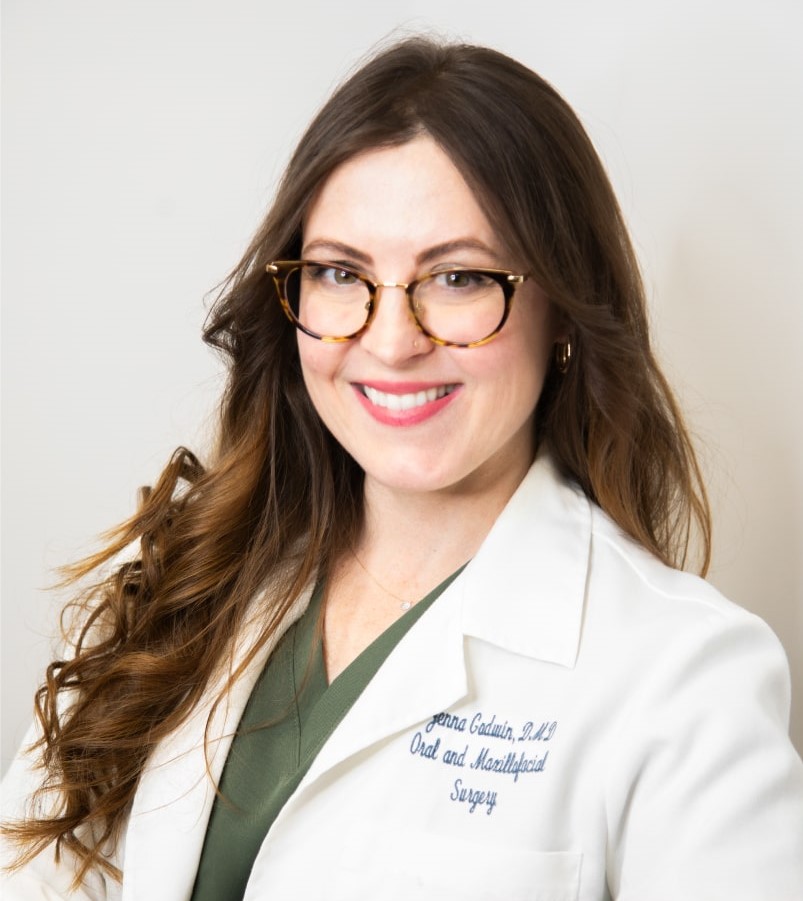
Dr. Jenna D. Godwin is a board-certified oral and maxillofacial surgeon serving patients in Seminole, Florida. She earned her Doctor of Medical Dentistry degree from the University of Florida and went on to serve in the U.S. Army, where she developed advanced surgical expertise and later trained resident surgeons. Her background combines the precision of military training with a compassionate, patient-centered approach, allowing her to provide personalized care tailored to each patient’s needs. Dr. Godwin is a Diplomate of the American Board of Oral and Maxillofacial Surgery and the National Dental Board of Anesthesiology, and she is an active member of several professional dental and surgical organizations. Outside of the office, she enjoys exercise, travel, and spending time with her son, Elliott. Dr. Godwin is committed to creating a calm, supportive environment where every patient feels valued, informed, and confident in their care.