

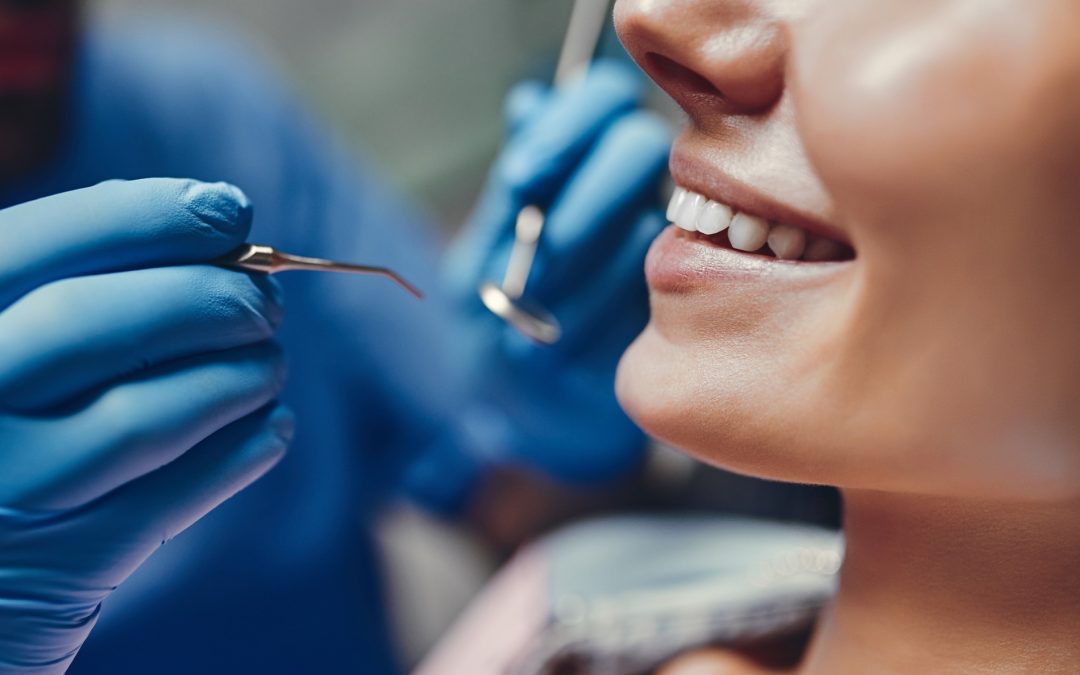
Oral surgery plays an important role in protecting long-term oral health, relieving pain, and restoring function when non-surgical treatments are no longer enough. At Dr. Jenna D. Godwin Oral and Maxillofacial Surgery, our goal is to help patients clearly understand what oral surgery includes, why it may be recommended, and what they can expect at every stage of care. By combining advanced surgical training with a calm, patient-centered approach, we provide comprehensive oral surgery services for patients in Seminole and surrounding communities.
This Article Will Address
- What does oral surgery consist of?
- Which oral surgeries are preventive vs restorative?
- What are the benefits of an oral surgeon?
- What is oral surgery?
- What conditions are treated with oral surgery?
- What’s the difference between oral surgery and maxillofacial surgery?
- How should I prepare for oral surgery?
- What happens during oral surgery?
- What happens after oral surgery?
- What are the risks or complications of oral surgery?
- What is the recovery time?
- When should I call my healthcare provider?
What Does Oral Surgery Consist Of?
Oral surgery is a dental specialty focused on diagnosing and surgically treating conditions of the mouth, jaw, face, and surrounding structures. Patients are often referred to an oral surgeon when treatment requires advanced medical training, precise surgical planning, or specialized anesthesia options.
Oral surgery typically includes:
- A comprehensive evaluation and imaging to understand the condition fully
- A personalized treatment plan based on oral health, medical history, and comfort needs
- Surgical care performed with careful attention to preoperative planning, patient safety, surgical precision, and guided recovery
Evaluation, Imaging, and Treatment Planning
Every procedure begins with a thorough consultation. Digital imaging and diagnostic tools help guide accurate planning and ensure each procedure is tailored to the patient’s needs.
Sedation and Anesthesia Options for Oral Surgery
Many oral surgery procedures can be completed using local anesthesia or IV sedation. Sometimes,o hospital based anesthesia is required for complex cases. Discussing these choices helps reduce anxiety and keeps patients comfortable throughout treatment.
Pre-Op Instructions and Safety Planning
Clear pre-operative instructions are provided to support safety and healing. This may include medication guidance, fasting instructions, and transportation planning.
What Are the Most Common Oral Surgery Procedures?
Oral surgery includes a wide range of procedures designed to treat both routine and complex conditions. Some of the most common services include:
Tooth Extractions and Surgical Extractions
When teeth are severely damaged, infected, or impacted, surgical extraction may be the best option to preserve overall oral health.
Wisdom Teeth Removal
Wisdom teeth often require removal to prevent crowding, pain, infection, or damage to nearby teeth.
Dental Implants
Dental implants replace missing teeth by restoring both function and appearance. They are placed surgically into the jawbone to provide long-term stability.
Bone Grafting
Bone grafting helps rebuild jawbone structure, often in preparation for dental implants or to address bone loss.
Oral Biopsy and Pathology Evaluation
Oral biopsies allow for early evaluation of unusual tissue changes, supporting timely diagnosis and treatment.
Additional Oral and Maxillofacial Services
Depending on patient needs, oral surgery may also include treatment for impacted teeth, management of oral infections, and evaluation of jaw-related concerns.
What Conditions Are Treated With Oral Surgery?
Oral surgery can address a wide variety of dental and facial conditions, including:
- Impacted teeth and overcrowding
- Missing teeth and jawbone loss
- Oral lesions or abnormal tissue changes
- Jaw, facial, and bite-related concerns
These procedures help restore comfort, function, and long-term oral health.
What’s the Difference Between Oral Surgery and Maxillofacial Surgery?
Oral and maxillofacial surgery focuses on the mouth, jaws, and face. This specialty extends beyond routine dental care to include surgical treatment of complex conditions affecting jaw and facial structures. In certain cases, this expanded scope allows for treatment of advanced jaw-related conditions, facial injuries, or facial reconstruction when needed.
Which Oral Surgeries Are Preventive vs Restorative?
Some oral surgery procedures are recommended to prevent future complications, while others are designed to restore function and health after damage has occurred.
Preventive Oral Surgery Procedures
- Wisdom teeth removal to prevent infection or crowding
- Oral biopsies for early detection of abnormal tissue
- Removal of problematic and nonrestorable teeth before complications develop
Restorative Oral Surgery Procedures
- Dental implants to replace missing teeth
- Bone grafting to rebuild jaw structure
- Surgical extractions to eliminate severe infection or damage
What Are the Benefits of an Oral Surgeon?
Choosing an oral surgeon provides several important advantages, especially for complex or surgical dental needs.
Advanced Surgical Training and Precision
Oral surgeons complete extensive post-doctoral education and hospital-based training to manage complex cases.
Safe Sedation and Patient Monitoring
Advanced anesthesia training allows most procedures to be performed safely in an outpatient office setting while prioritizing patient comfort.
Better Planning for Complex Cases
Oral surgeons are equipped to plan treatments that protect long-term oral health and minimize complications.
Comfort-Focused Experience and Clear Communication
From consultation to recovery, patients receive clear explanations, supportive care, and detailed instructions at every step.
How Should I Prepare for Oral Surgery?
Preparation helps ensure a smooth experience and recovery.
Consultation and Imaging
Your consultation includes a review of medical history, imaging, and discussion of treatment goals.
Medications, Eating, and Drinking Guidelines
Specific instructions may include temporary medication adjustments and fasting before surgery.
Transportation and Day-Of Planning
Some procedures require a trusted adult to provide transportation home after treatment.
Questions to Ask Your Oral Surgeon
Patients are encouraged to ask questions about anesthesia, recovery, and post-operative care to feel fully prepared.
What Happens During Oral Surgery?
On the day of surgery, patients are guided through a calm and organized process.
Check-In and Pre-Procedure Review
The care team reviews the treatment plan and answers any final questions.
Anesthesia and Sedation
Anesthesia is administered to keep patients comfortable throughout the procedure.
The Procedure Itself
The surgical procedure is performed using precise techniques designed to minimize discomfort and support healing.
Immediate Post-Procedure Monitoring
Patients are monitored after surgery to ensure a safe and stable recovery before discharge.
What Happens After Oral Surgery?
Post-operative care is an essential part of successful healing.
Managing Swelling, Bleeding, and Discomfort
Swelling and mild discomfort are common and typically managed with prescribed or recommended medications.
Eating and Activity Guidelines
Soft foods and limited activity are often recommended during early recovery.
Follow-Up Visits and Healing Milestones
Follow-up appointments are not always needed, but when indicated, help track healing and address any concerns.
What Are the Risks or Complications of Oral Surgery?
All surgical procedures carry some risk. These risks vary based on the procedure, health history, and individual healing response. Patients receive detailed instructions and ongoing guidance to reduce complications and promote safe recovery.
What Is the Recovery Time After Oral Surgery?
Recovery time depends on the type of procedure performed.
Typical Recovery Timelines by Procedure Type
Some procedures heal within days, while others require several weeks for full recovery.
Factors That Can Affect Healing
Overall health, adherence to instructions, and the complexity of surgery all influence healing time.
Tips for a Smoother Recovery
Following post-operative instructions closely and attending follow-up visits supports optimal healing.
When Should I Call My Healthcare Provider After Oral Surgery?
Patients should contact the office if they experience:
- Excessive or uncontrolled bleeding
- Fever
- Worsening swelling after the initial healing period
- Severe pain that does not improve with prescribed medications or with time
- Signs of infection, such as swelling, drainage, or severe redness at the surgical site
- Trouble breathing or swallowing, which requires immediate attention
Why Choose Dr. Jenna D. Godwin Oral and Maxillofacial Surgery in Seminole, FL?
Our practice is built on integrity, compassion, and excellence. Dr. Godwin’s advanced training, military background, and commitment to patient-centered care allow us to provide surgical treatment with precision and empathy. Patients appreciate our calm environment, supportive team, and clear communication from consultation through recovery.
Schedule an Oral Surgery Consultation in Seminole, FL
Understanding what oral surgery includes can ease anxiety and help patients feel confident in their care decisions. At Dr. Jenna D. Godwin Oral and Maxillofacial Surgery, we are proud to serve patients in Seminole, FL with comprehensive, compassionate oral surgery services. To schedule a consultation, visit our office at 8277 113th Street, Seminole, FL 33772, book online, or call (727) 397-8500.
Sources
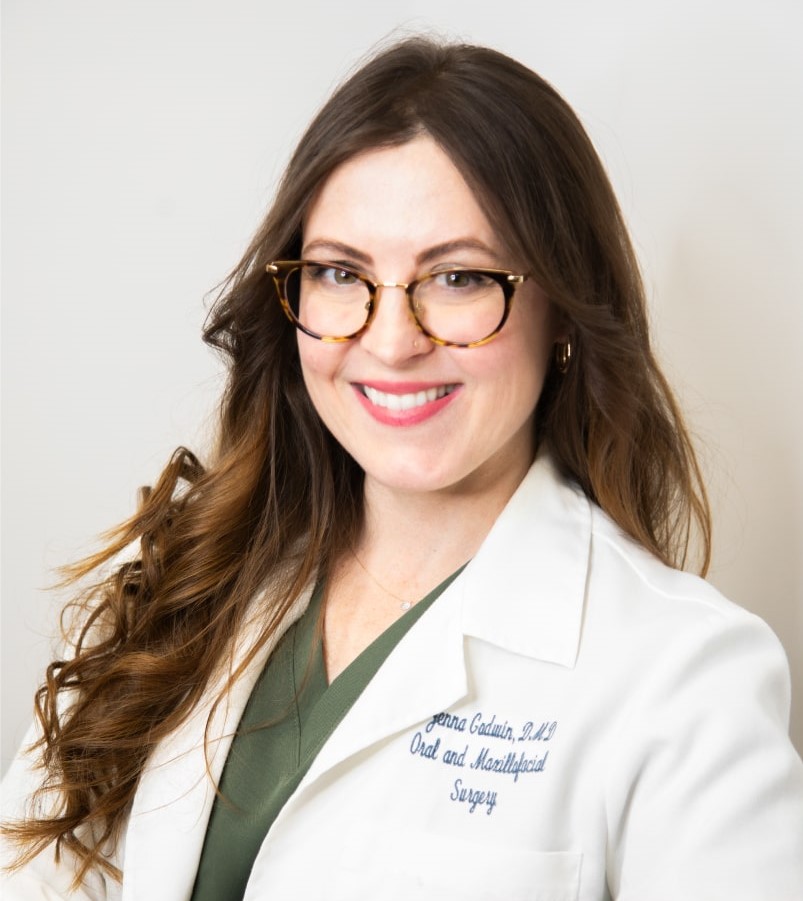
Dr. Godwin
Dr. Jenna D. Godwin is a board-certified oral and maxillofacial surgeon serving patients in Seminole, Florida. She earned her Doctor of Medical Dentistry degree from the University of Florida and went on to serve in the U.S. Army, where she developed advanced surgical expertise and later trained resident surgeons. Her background combines the precision of military training with a compassionate, patient-centered approach, allowing her to provide personalized care tailored to each patient’s needs. Dr. Godwin is a Diplomate of the American Board of Oral and Maxillofacial Surgery and the National Dental Board of Anesthesiology, and she is an active member of several professional dental and surgical organizations. Outside of the office, she enjoys exercise, travel, and spending time with her son, Elliott. Dr. Godwin is committed to creating a calm, supportive environment where every patient feels valued, informed, and confident in their care.